


A saddle can make you love cycling—or quietly ruin it. If you deal with numbness, hot spots, or that constant “micro-shift” search for relief, the problem is rarely your toughness. It’s usually fit, pressure, and setup. Here’s how a custom saddle approach helps, what’s changed at Posedla in the last few years, and how to go from “hope this works” to a fit that feels boring—in the best way.
Why saddle comfort matters more than you think
Every cyclist knows the feeling: 20 minutes in, you’re fine. An hour in, you start shifting. Two hours in, your “contact points” are negotiating terms.
That’s because cycling comfort isn’t just about softness. It’s about support in the right places and less pressure in the wrong ones. Your body connects to the bike at three main touchpoints—hands, feet, and saddle—and the saddle is the one you can’t really “shake out” while riding. So when it’s off, discomfort shows up as:
-
Numbness or tingling
-
Pressure points (“hot spots”)
-
Chafing or sores
-
Coccyx (tailbone) irritation
-
Constant sliding forward/backward
A custom bike saddle doesn’t “make cycling soft.” It makes cycling predictable.
Why saddle comfort affects how “healthy” riding feels
Let’s keep this factual: a saddle isn’t a medical device, and it won’t “treat” anything. But it can absolutely influence whether riding feels sustainable.
Common signs your saddle setup (or saddle) isn’t working:
-
Numbness or tingling (often from pressure on soft tissues)
-
Chafing, sores, or “hot spots”
-
Tailbone discomfort or sit-bone soreness that doesn’t improve
-
Sliding forward/backward, constantly re-finding your spot
-
Feeling like you can’t relax your upper body because the saddle feels unstable
In many cases, the fix is a combination of better fit + better setup—not simply “more padding.”
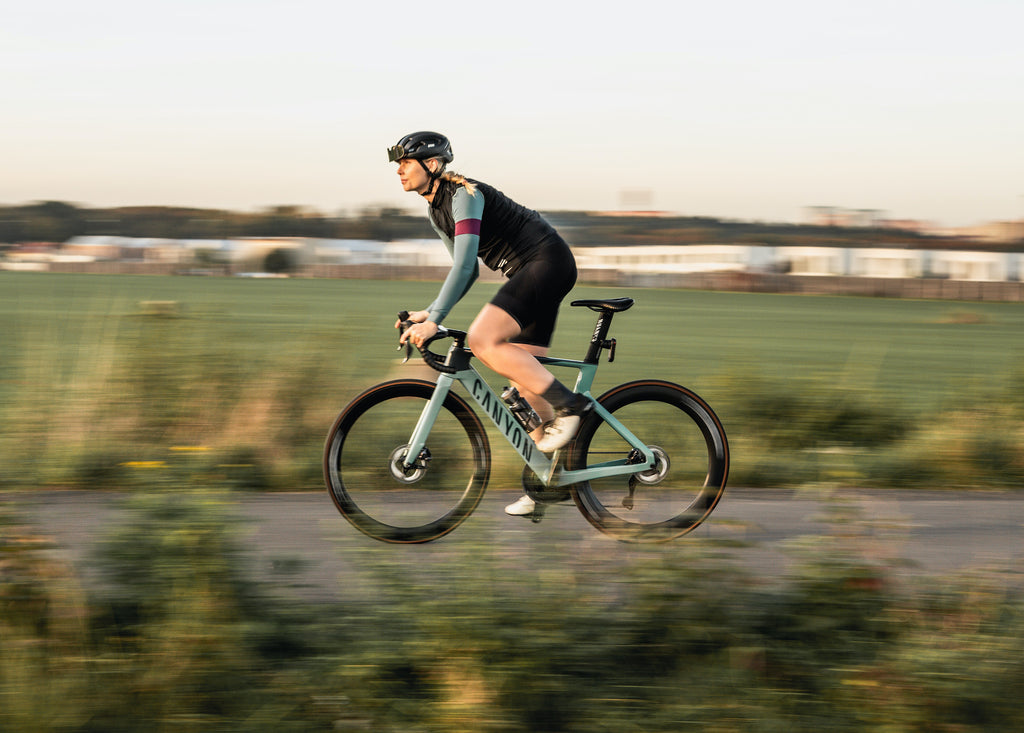
Pressure relief and blood circulation: the “no-pressure zone” idea
Let’s talk about the issue riders describe as “numbness.”
In simple terms, numbness often happens when too much pressure lands where it shouldn’t—especially on soft tissue. If load is not carried primarily by your sit bones, your body may end up compressing sensitive structures. Less ideal pressure distribution can also feel like reduced circulation, especially on longer rides.
That’s where the concept of a no-pressure zone comes in.
A no-pressure zone doesn’t mean “no contact” or “zero load” (you’re still sitting on a saddle). It means:
-
Support where you’re built to carry it (sit bones / pelvic structure)
-
Reduced pressure where you’re not (soft tissue)
-
A stable shape that keeps you from compensating by sliding or tilting your pelvis
This is also why “just add more padding” often backfires. More padding can compress unevenly and still push pressure into the wrong areas—sometimes even increasing hot spots because you sink and lose stable support.

Why standard saddles often miss (even expensive ones)
Most off-the-shelf saddles are built around a compromise: a fixed shape, a few widths, one main foam density. That works for some riders—especially for shorter rides or lucky anatomy matches.
But for many cyclists, two things go wrong:
-
Width mismatch
Too narrow and you end up loading soft tissue. Too wide and you get inner-thigh rub and pressure points. (And yes—two saddles can share the same stated width and still feel totally different.) -
Uniform padding, uneven pressure
Foam is typically a single material that compresses in a broad, non-specific way. In real riding, you don’t want equal softness everywhere—you want targeted support under the sit bones and gentler contact where soft tissue needs relief.

What “custom” actually changes
A true custom saddle approach isn’t just choosing a wider size or picking “more/less padding.” It’s about tailoring size, shape, and stiffness distribution to the rider.
That includes:
-
Saddle width based on sit-bone spacing
-
Profile/curvature based on posture, flexibility, and bike type
-
Stiffness zoning (so the saddle supports sit bones without creating harsh edges)
-
A stable “home position” so you stop sliding and bracing
This is why the best comfort feels almost… uneventful. You don’t think about your saddle. You just ride.
What’s new at Posedla
Over the last few years, Posedla has focused on making custom more predictable, not just more advanced.
1) A broader Joyseat range, same custom core
Joyseat now comes in multiple models (Plus / Pro / Ultra) that share the fully custom 3D-printed padding, while offering different shell/rail material options—so more riders can match performance needs, durability preferences, and compatibility.
2) “Confidence & Care” support built into the experience
Custom shouldn’t feel like a leap of faith. The updated purchase experience includes a support system designed to remove the guesswork:
-
Preview before production (so you know what’s being made)
-
Complimentary digital bike fitting via MyVeloFit to dial in setup
-
Durable, upgradeable 3D-printed padding (refresh the ride feel without starting from zero)
-
Crash replacement support (because cycling happens)

How buying a Posedla custom saddle works
Here’s the real flow—simple on your side, nerdy on ours:
-
Order Joyseat for your discipline (road, gravel, MTB, or TT.)
-
Receive the Smiling Butt Kit and make a quick imprint at home
-
Upload photos + answer fit questions in the configurator (riding style, flexibility, mileage, etc.)
-
Posedla’s algorithm builds your saddle by adjusting size/shape/stiffness zoning
-
You get a pre-production preview to confirm key specs
-
Production + delivery, then you install and fine-tune
If you want the smoothest first rides, treat setup like part of the product—not an afterthought.
Setup matters more than most people think
Even the right saddle can feel wrong if it’s installed wrong. The biggest comfort wins often come from tiny adjustments:
-
Saddle height
-
Saddle tilt
-
Fore-aft position
With a more precise support system, small changes can shift pressure noticeably—so make one change at a time and test it for a few rides.
Expect a short adaptation period
Switching from foam to a more structured, supportive surface can feel “different” at first. Many riders settle in after a short adaptation window (often quoted around a few hundred km). Go gradually, and don’t judge it off one ride.

The goal: less pressure, more joy
A custom saddle isn’t about turning cycling into a medical project. It’s about removing the distractions—pressure points, numbness, and that constant shifting—so you can focus on the ride.
If you’re ready to stop guessing, the best next step is simple: start the order, do the imprint, and use the included fitting support to land the setup. Custom should feel clear, not complicated.


